




Research shows men prefer women with curves
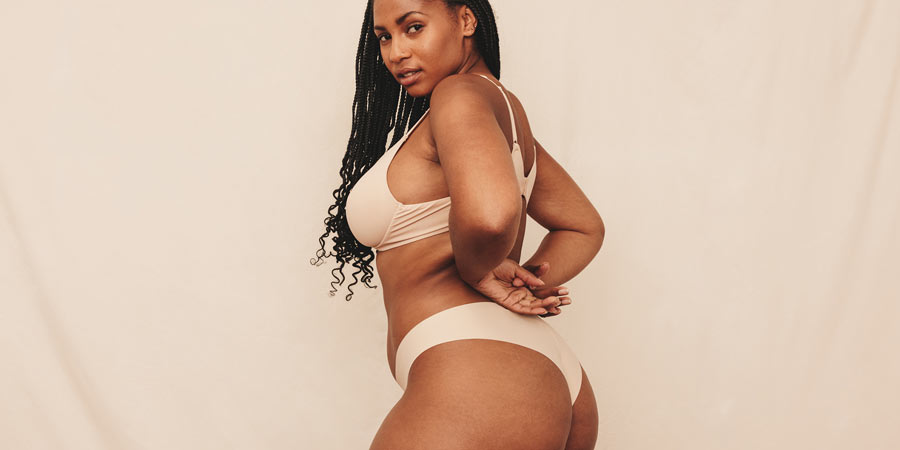
For decades fashion magazines, Hollywood trends and social media filters have tried to convince women there’s one “ideal” body type. One year it’s ultra-slim, the next it’s athletic, then suddenly everyone’s chasing an hourglass figure again. Exhausting, right?
But here’s the interesting thing, when researchers actually study attraction in the real world, the results are often more diverse than popular culture would have us believe. In fact, several studies suggest that many men are naturally drawn to women with curves.
Before anyone panics, let’s be clear, attraction is deeply personal. Some people love petite bodies, others prefer athletic builds, and many are attracted to confidence more than any specific shape. There is no single body type that “wins”. Still, the research around curves is fascinating and a nice reminder that softness has always had its fans.
Curves have been Celebrated for Centuries
Long before Instagram trends and celebrity workout plans, curvier bodies were often associated with beauty, fertility and health. From Renaissance paintings to vintage Hollywood icons like Marilyn Monroe, fuller figures have been admired.
What’s funny is that beauty standards tend to swing like a pendulum. The “ideal body” changes constantly depending on the era, culture and even what celebrities are trending at the time. Which is exactly why trying to permanently mould yourself into whatever is fashionable this week is a losing game.
Curves, however, never really disappear from the conversation.
What does the Research Actually Say?
One of the most commonly cited areas of attraction research looks at waist-to-hip ratio. Studies have found that many men are drawn to a waist-to-hip ratio around 0.7 - meaning the waist is noticeably smaller than the hips. This shape is often associated with curvier bodies, regardless of overall size.
Research published by University of Texas suggested that this ratio may subconsciously signal health and fertility cues, which could explain why it appears attractive across many cultures.
Another study from University of Westminster found that men rated curvier women as more attractive after experiencing hunger which sounds slightly random until researchers explained it may relate to the brain associating fuller bodies with access to resources and health.
And one of the Texas studies also found that the attractiveness of women increased by 50% when men were shown the women walking away with a hip sway. Science is weird sometimes.
There’s also evidence that many men perceive curvier women as more approachable, warm and feminine. Again, this doesn’t mean all men think the same way, but it does challenge the outdated idea that thinner automatically equals more desirable.
Confidence Changes Everything
Here’s the part that rarely gets enough attention: confidence consistently ranks as one of the most attractive qualities in studies about dating and attraction.
A woman who feels comfortable in her body - whether she’s a size 8 or 18 - often comes across as more magnetic than someone constantly trying to shrink herself physically and emotionally.
You can usually tell when someone genuinely likes themselves. They laugh more freely. They flirt more naturally. They stop spending entire nights tugging at their dress or apologising for eating chips.
That energy is attractive.
And ironically, many women with curves develop stronger body confidence over time because they’ve already realised they’ll never fit into society’s constantly moving target of perfection. Once you stop chasing impossible standards, life can become a lot more fun.
The Internet is Finally Catching Up
Social media gets blamed for a lot of body image issues but it has also opened the door for broader representation. Curvier influencers, models and celebrities are now building huge audiences simply by refusing to hide their bodies.
Women are increasingly seeing people who look like them being celebrated instead of treated as “before” photos.
Even dating apps have quietly exposed something important: there truly is someone for everyone. Plenty of men openly prefer curvier women, while others don’t prioritise body shape much at all. Compatibility, humour, chemistry and emotional connection still matter far more once the initial attraction phase settles down.
Which is probably reassuring news for anyone who has ever rage-eaten garlic bread while scrolling through fitness influencers.
Attraction isn't One-Size-Fits-All
Of course, not every man prefers curves. Human attraction is far too individual for blanket statements. Culture, personality, life experiences and personal taste all play a role.
But the bigger takeaway from the research is this - the narrow beauty standards pushed onto women don’t actually reflect the full spectrum of what people find attractive.
Curves are attractive to many men. So are toned bodies, petite frames, tall women, short women and everything in between.
The problem isn’t women’s bodies it’s the myth that only one type deserves admiration.
The Real Secret? Feeling good in your own Skin
Body positivity isn’t about pretending every person feels confident every second of the day. Most people have insecurities. Even models have insecurities.
It’s about recognising that your worth was never supposed to depend on whether your thighs touch, your stomach is flat or your jeans size matches a beauty trend from TikTok.
Research may suggest that many men prefer women with curves, but more importantly, it reminds us that attractiveness has never been as narrow as society likes to pretend.
And honestly? Life’s too short to hate your body while waiting for it to become someone else’s version of perfect.
Likes & Comments
Comments (5)
badthoughts63
phoenix1323
Fuckudeep129
TinyDancer73
ispywithmy